A one-star review just landed, and your instinct is to defend yourself. Resist it. What you type next will be read by far more people than the person who complained, and by the AI that now summarises your reputation. A good response can turn a negative review into proof that you're a business worth trusting. A bad one confirms the complaint. Here's the formula, the templates, and the mistakes to avoid.
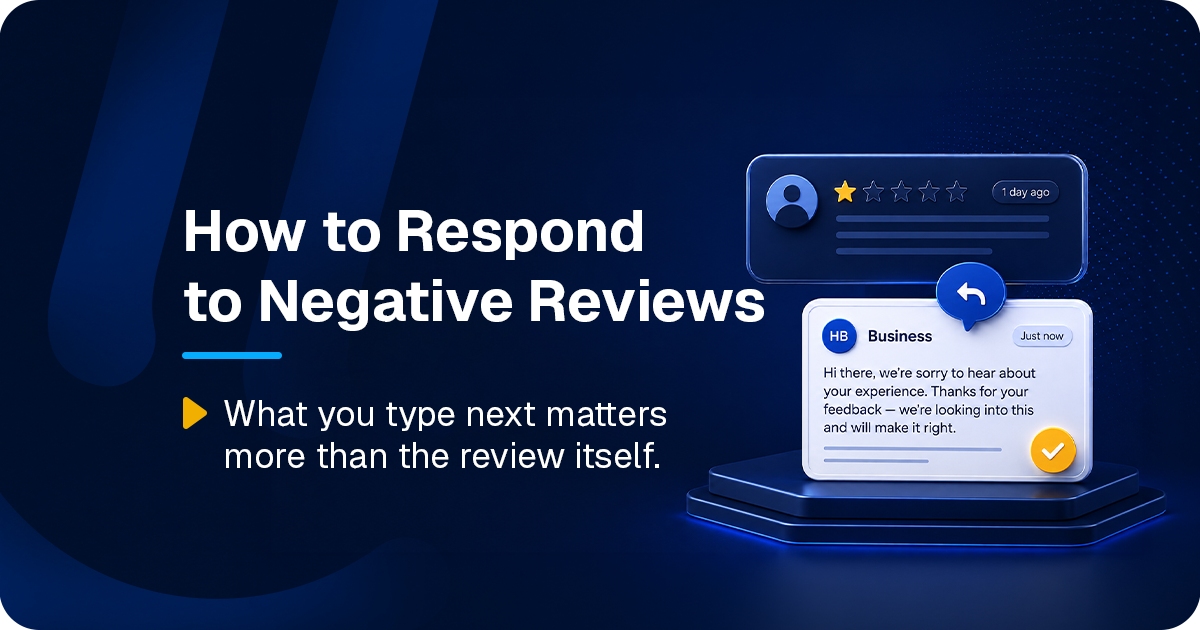
When a prospect reads a negative review, what they look at next is your reply. A calm, owning response earns the dozens of readers who have not decided yet, and it shapes how the AI summarises you.
The Formula for a Good Response
Almost every effective reply follows the same shape. Keep it short, human, and public:
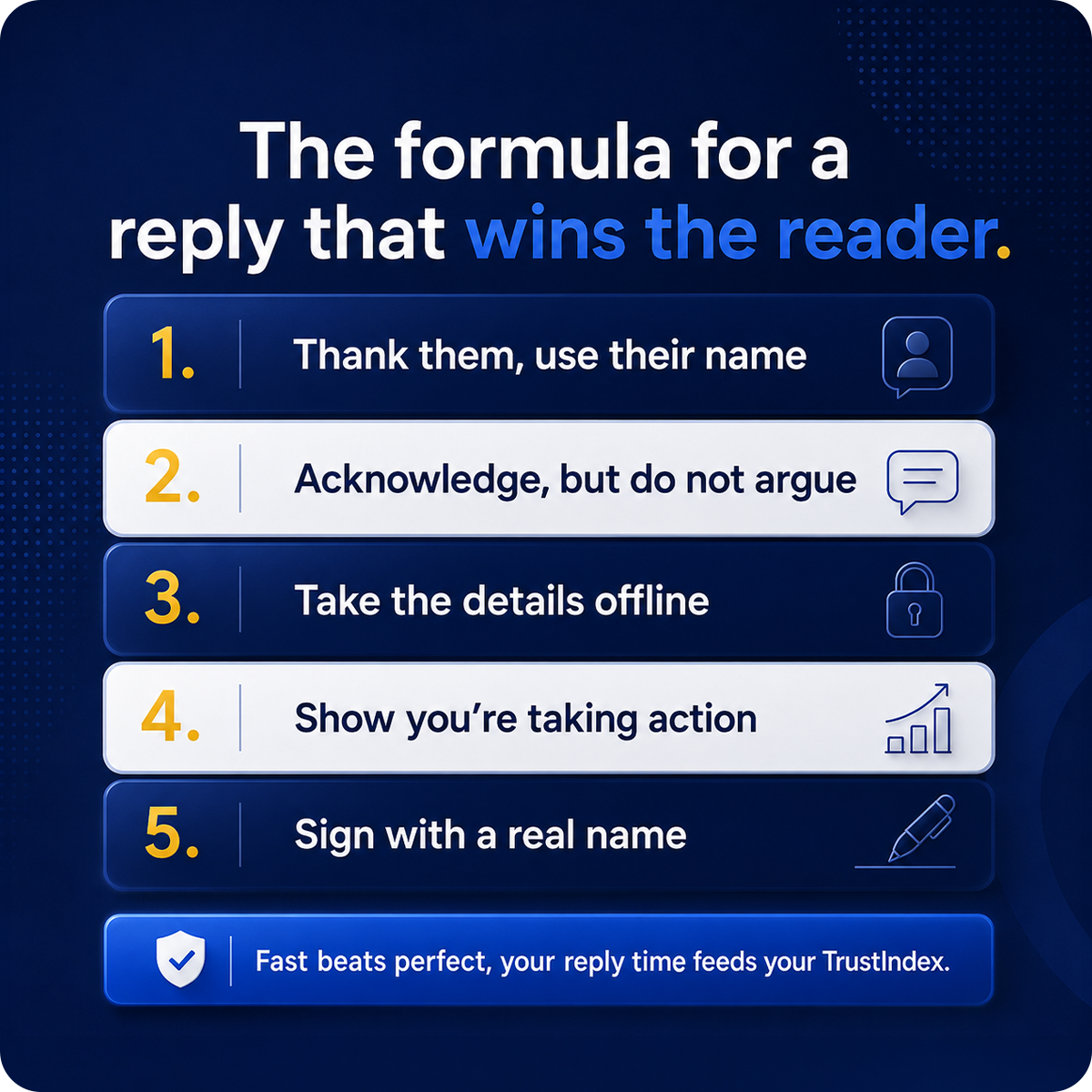
- Thank them and use their name. Open by thanking them for the feedback. It signals you're listening, not bracing for a fight.
- Acknowledge the experience, don't argue. Show you understand why they're upset. You can be empathetic without admitting legal fault: "I am sorry your delivery was late and that you were left waiting" is safe and human.
- Take the detail offline. Invite them to a private channel with a reference or order number so you can investigate. This protects their personal information and stops a public back-and-forth.
- Show you're acting. Say what you're doing, briefly. "I am looking into what went wrong with your claim and will come back to you by Friday."
- Sign with a real name. "Thandi, Customer Care" reads as a person who owns it. An anonymous brand reply reads as a form letter.
Ready-to-Use Templates
Adapt these to your voice. They're starting points, not scripts to paste blindly.
A service or delivery failure "Hi [Name], thank you for letting us know, and I am sorry this was your experience. That's not the standard we hold ourselves to. I would like to put it right. Please send your order number to [email] and I will personally look into what went wrong and come back to you. [Your name], [Role]."
A billing or charge dispute "Hi [Name], thank you for flagging this, and I understand how frustrating an unexpected charge is. I want to get to the bottom of it with you. Could you send your account or reference number to [email] so I can review your billing directly? I will come back to you with an answer. [Your name], [Role]."
A review you believe is unfair or inaccurate "Hi [Name], thank you for your feedback. We've looked into this and our records show a slightly different picture, so I would like to understand your experience properly rather than dispute it here. Please reach me at [email] with your details and I will work through it with you. [Your name], [Role]."
Closing the loop after resolution (post this when it's fixed) "Updating this publicly for fairness: we've now [refunded the amount / replaced the item / corrected the billing] and spoken with [Name]. Thank you again for raising it, it helped us fix [the underlying issue]. [Your name], [Role]."
What Never to Do
- Never argue point by point in public. You won't win, and the thread grows with every reply.
- Never copy and paste the same response. Customers and the AI both spot a template used verbatim. Personalise the name and the specifics.
- Never get defensive or sarcastic. One sharp reply can do more damage than the original review.
- Never ignore it. An unanswered negative review is the version of the story that stands, for readers and for AI search.
Speed Matters as Much as Wording
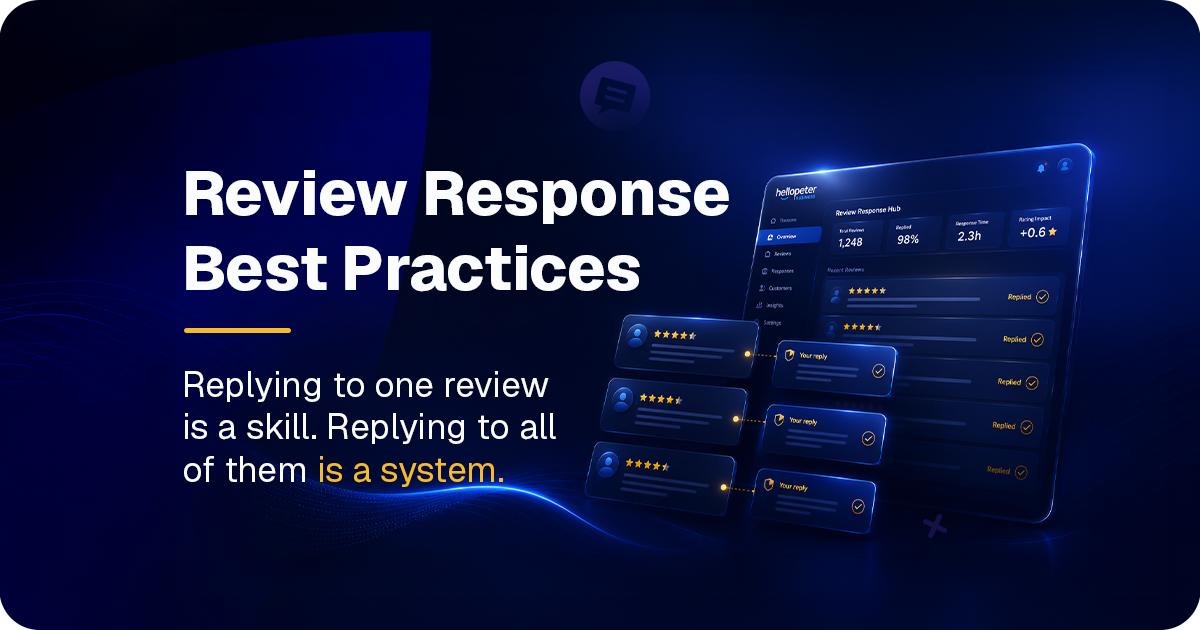
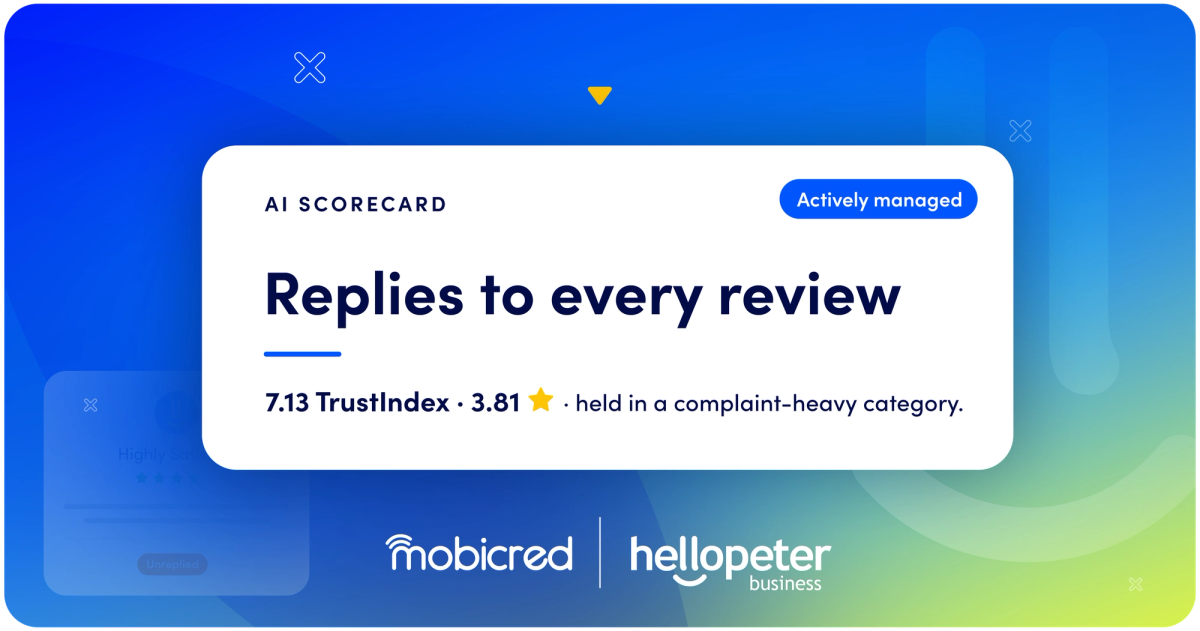
A great reply three weeks late helps almost no one. Respond within a day or two while the reader, and the complainant, are still paying attention. On Hellopeter, how quickly you reply is one of the factors that feeds your TrustIndex, so fast, consistent responses lift the very score that AI search quotes about you. Responding to one review well is a skill. Doing it for every review, quickly, is a system, and that's the subject of our guide to review response best practices.
See what replying is worth
Replies move the score AI search quotes about you. Get a free report of what your reputation is worth in rand, and where you are losing customers.